Certified Painting Services in Ames IA
The Ultimate List for Finding Professional House Painting Professionals: Key Knowledge You Must Have
Selecting professional house painters involves more than picking the first name that comes up. A systematic approach is vital. Potential clients must consider credentials, experience, and insurance coverage. Evaluating portfolios can reveal the painter's attention to detail. Additionally, asking the right questions and comparing estimates can prevent costly mistakes. Understanding key contract elements is also essential. What specifics should one focus on to guarantee a satisfactory outcome? The answers may surprise you.
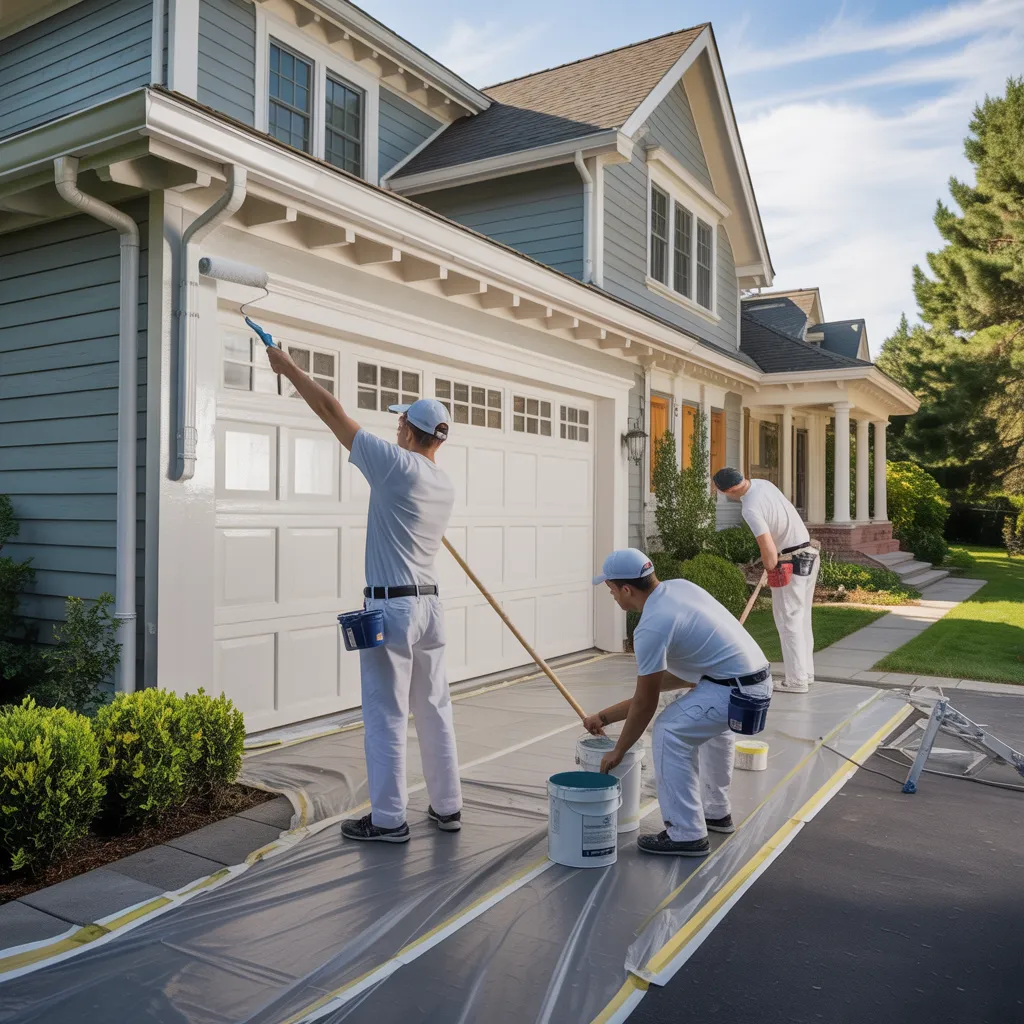
What Experience Should You Look For in a Painter?
When picking a house painter, it is critical to review their qualifications to ensure a excellent result. Key qualifications include practical experience, which exhibits the painter's familiarity with various techniques and materials. A proper license is necessary, as it indicates compliance with regional codes and safety protocols. Liability insurance is another critical consideration; it guards both the contractor and the homeowner in case of accidents or damages. Additionally, certifications from reputable organizations can signify advanced training and professionalism. Testimonials from past customers provide insight into the painter's reliability and quality of work. Finally, a thorough understanding of color science and paint options can enhance the overall aesthetic of the project. By thoroughly evaluating these credentials, homeowners can choose wisely and hire a painter who will produce quality outcomes.
Strategies for Judging a Painter's Portfolio
Studying a painter's portfolio involves scrutinizing the assortment of projects presented and analyzing the overall quality of their craft. A diverse portfolio of finished pieces can signal range and flexibility to various aesthetic preferences and requirements. Besides, meticulous regard for specifics in the portfolio can reveal the painter's technical skill and devotion to excellence.
Review Venture Assortment
Reviewing a painter's portfolio reveals the breadth and depth of their abilities and background. A varied collection of work exhibits the painter's ability to tackle different approaches, methods, and assignments, including residential interiors to commercial exteriors. Prospective clients should look for examples displaying different color schemes, finishes, and surface treatments, which demonstrate versatility. Additionally, examining assignments of different scales can provide insight into the painter's flexibility and organizational abilities. It is just as crucial to evaluate how well the painter has delivered challenging work, as this indicates their competency with distinctive obstacles. Ultimately, a well-rounded portfolio not only showcases artistic talent but also guarantees clients of a painter's expertise in varied situations and demands.
Check Standard of Work
Evaluating the caliber of a painter's work demands a sharp eye for detail and an understanding of craftsmanship. A comprehensive portfolio displays a painter's versatility and skill. Prospective clients should examine before-and-after photos, paying attention to smooth finishes, clean lines, and consistent color application. It is essential to look for a variety of projects, including different styles and techniques, to assess the painter's adaptability. Client testimonials and reviews can offer a glimpse of the painter's reliability and professionalism. Additionally, visiting completed projects, if possible, enables firsthand assessment of workmanship. Ultimately, a well-rounded evaluation of a painter's portfolio will help decide if they meet the desired standards for quality and aesthetic appeal.
Important Questions to Discuss with Your House Professional?
When selecting a house painter, what key questions should homeowners ask to achieve a successful project? To start, they should inquire about the painter’s work history and references. Knowing how long the painter has been in business and looking at past client testimonials can give valuable insight into their trustworthiness. Homeowners should also inquire about the quality of paint and materials the painter uses, confirming they are premium and suitable for the specific job. Furthermore, it is essential to understand the timeline for project completion and whether any issues might occur. Homeowners should also go over the estimated cost, including labor and materials, to prevent unexpected expenses down the line. In the end, they must confirm if the painter provides warranties or guarantees on their work, giving peace of mind of quality and longevity. By posing these key questions, homeowners can make educated decisions and help ensure a hassle-free painting experience.
How to Compare House Painter Estimates
After gathering crucial information through consultations, homeowners often get multiple bids from different house painters. To effectively compare these quotes, it is necessary to go beyond the total cost. Homeowners should examine the work details included in each estimate, making certain that all painters are charging for the same jobs, such as surface preparation, layers of paint, and materials employed.
Furthermore, reviewing the estimated timeline for completion of the project can highlight differences in efficiency. Homeowners should also factor in the reputation and experience of each painter, as lower costs may indicate a lack of quality or reliability.
Ultimately, it's beneficial to assess any guarantees or guarantees provided, as these can offer understanding into the painter faith in their work. By carefully analyzing these factors, property owners can reach an well-informed decision that ensures they select a high-quality house painter who meets their specific needs.
Essential Contract Elements for Securing Quality Painting Jobs
A carefully prepared contract is essential for obtaining high-quality painting services. It should explicitly detail the scope of work, specifying the areas to be painted and the kinds of supplies to be used. This openness helps avoid confusion and ensures that both parties have matching expectations.
The contract must also contain a detailed timeline, indicating start and end dates. Payment terms should be specifically defined, including deposit amounts and final payment conditions. Additionally, it is important to include provisions for liability and insurance coverage, protecting the homeowner from potential damages during the project.
Guarantees regarding labor and supplies should be stipulated to assure strength and standards. Finally, adding a section for dispute resolution can supply a defined process for handling any issues that could emerge. These key elements together support to a accomplished painting project, providing both quality and satisfaction for the homeowner.
copyright Quality Work In the Aftermath of the Paint Work
Preserving superior craftsmanship after a paint project necessitates careful inspection and maintenance. Homeowners should undertake a detailed assessment to uncover any shortcomings, such as drips, missed spots, or uneven coverage. These issues should be documented and relayed to the paint company promptly, allowing for speedy remediation.
Additionally, safeguarding the painted surfaces is vital for long-term durability. Homeowners should avoid strong cleaners and choose mild solutions that won't damage the paint. Regularly monitoring for signs of wear, such as flaking or discoloration, can help address problems before they worsen.
It is also advisable to establish a follow-up schedule with the painter. Some contractors offer warranties or touch-up services, guaranteeing continuous excellence. By staying proactive, homeowners can extend the life of their painted surfaces and preserve the visual beauty of their home, eventually enhancing its value.
Commonly Inquired Questions
What Length of time Will the paint work Require to Complete?
The length of a painting task typically ranges from a few days to several weeks and may differ substantially. Various factors affect this timeframe, including the project's size, complexity, weather conditions, and the painter's experience level.
What Types of Paint Do You Suggest for My Home?
Quality painting professionals commonly recommend acrylic latex for interior spaces due to its durability and easy cleanup, while outdoor surfaces gain advantages with oil-based paints for weather resistance. Additionally, eco-conscious documentation choices are increasingly preferred for health-conscious homeowners.
What Warranties or Warranties Do You Offer for Your Work?
Many respected house painters extend coverage agreements for their projects, ensuring client trust and assurance in the caliber of their work. It's recommended for property owners to ask regarding exact conditions before employing a painter.
Will You Tidy up After the Job Is Finished?
Most trusted house painting contractors offer complete tidying after completing the job. They commonly clear away any leftover materials, paint splashes, and materials used, making the space clean and ready for the homeowner's use and enjoyment.
Would you be able to give references from former clients?
Quality house painters should readily provide referrals from past clients. These testimonials offer insights into their professionalism, workmanship, and reliability, helping potential customers make informed decisions based on others' positive experiences with their services.